The Truth About Alzheimer’s Care: Separating Facts from Common Myths
A Meaningful Care • November 18, 2026
Alzheimer’s care can be filled with uncertainty, especially for families newly facing a diagnosis. At A Meaningful Care in Elgin, we often meet relatives who have heard conflicting “facts” about what is helpful—leaving them unsure about the best ways to support a loved one. Sorting through this confusion is a crucial first step to effective, compassionate care.
Many misconceptions about Alzheimer’s care are widespread, but some can actually make daily life harder for everyone involved. In this article, we’ll clear up what clinical knowledge says and emphasize how a thoughtful approach in Elgin can shape truly meaningful support.
Here’s what we cover:
- The biggest myths about Alzheimer’s care
- How trained caregivers address memory loss
- What truly matters for family support
- Evidence-based care in Elgin
- FAQ: Answering practical concerns
Debunking Common Myths About Alzheimer’s Care
There are a lot of well-meaning but inaccurate ideas about Alzheimer’s care. For example, some think it’s best to constantly challenge the person’s memory in the hope of slowing decline. Others believe that someone with Alzheimer’s shouldn’t participate in decisions about their own life. In practice, both these ideas can be counterproductive.
Real clinical knowledge tells us that routines, patience, and familiar activities are much more stabilizing for people with memory loss. Over-stimulation often increases anxiety. Similarly, even if a senior seems confused at times, involving them in daily choices helps foster self-esteem and dignity.
The Role of Skilled Caregivers in Elgin
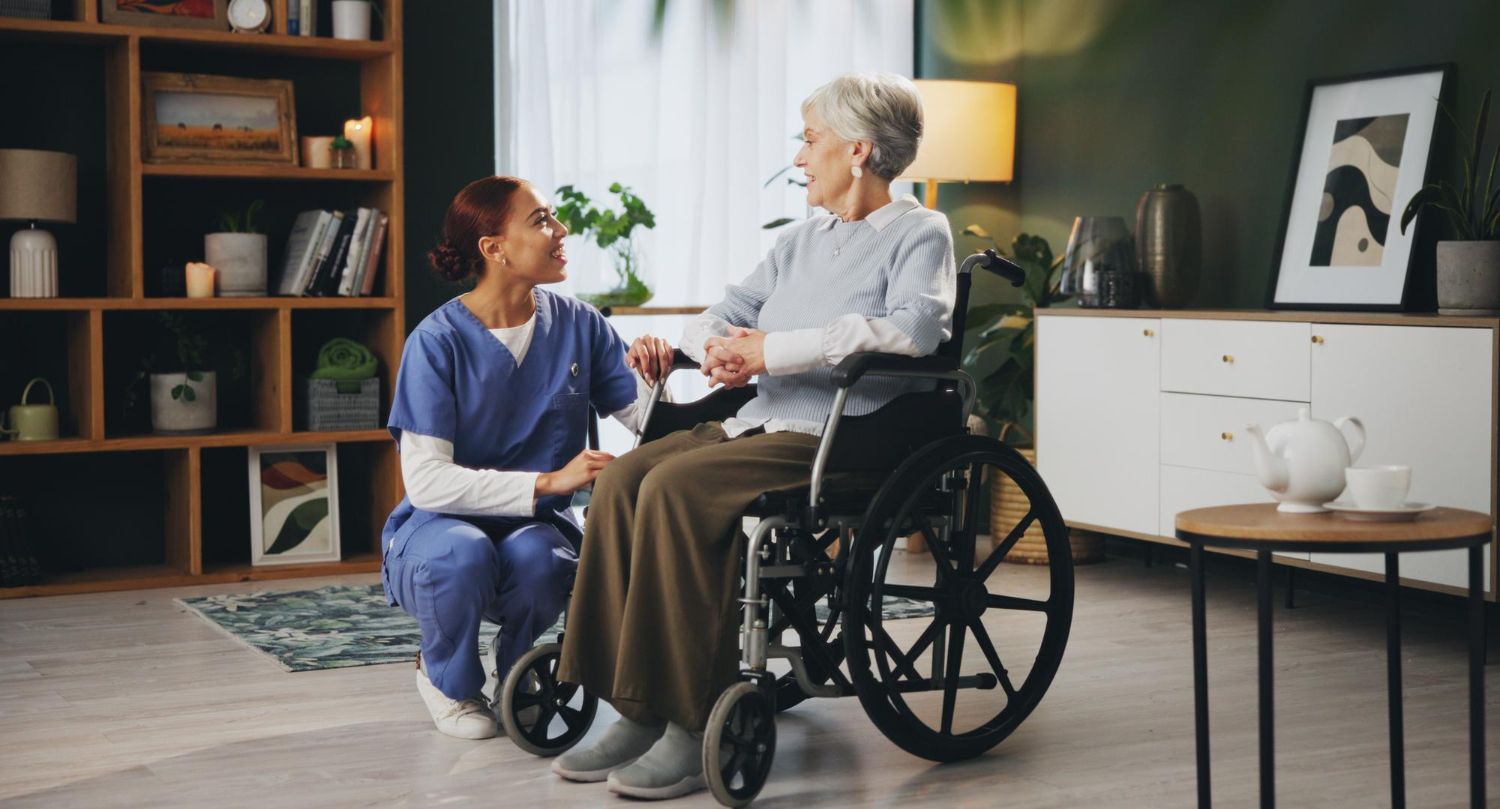
Families in Elgin often ask if specialized training really makes a difference. The truth is, understanding Alzheimer’s symptoms—from wandering to changes in mood—can prevent accidents and improve quality of life. At A Meaningful Care, our caregivers are skilled in redirection, gentle reminders, and building trust over time.
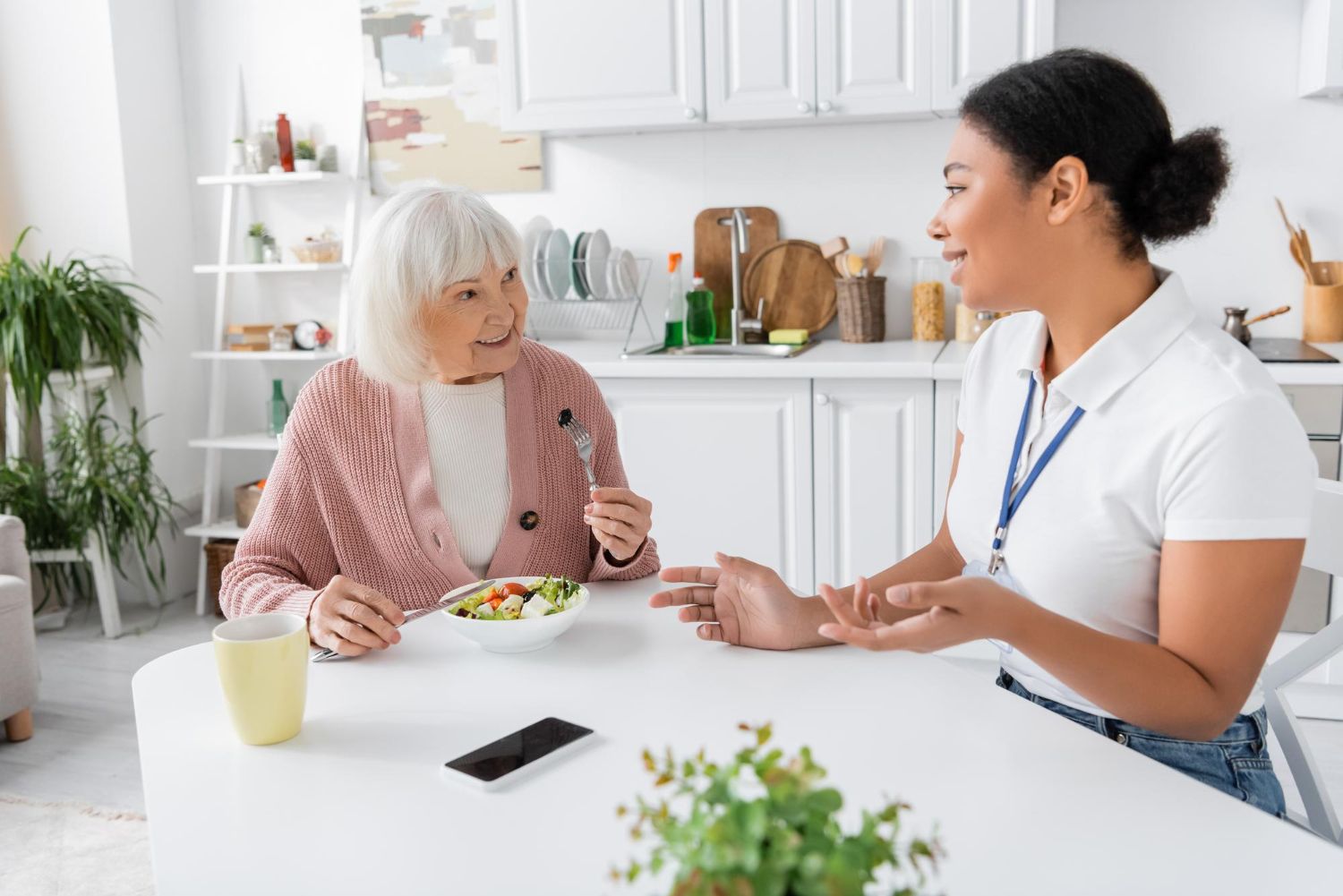
We don’t rely on one-size-fits-all activities or strict protocols. Instead, we get to know each individual: what music calms them, which foods bring comfort, and how to support their unique strengths.
Family Support Still Matters Most
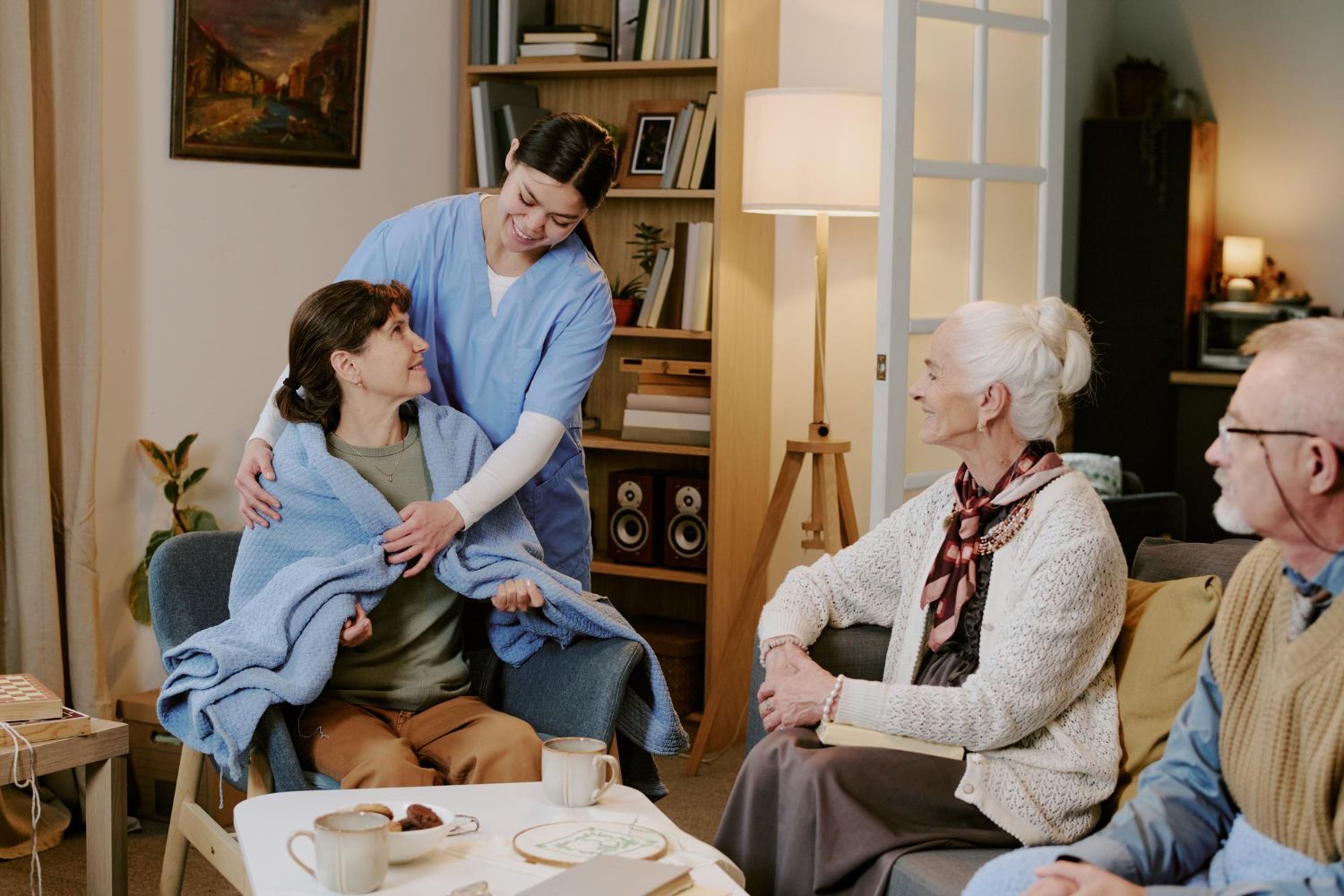
Clinical best practice is clear—family involvement makes a large impact. While professional care provides structure, it doesn’t replace warm, familiar relationships. Our team at A Meaningful Care encourages families to stay involved in small, everyday ways: shared gardening, simple craft projects, or just listening to music together in the family home.
This is often what people misunderstand about Alzheimer’s: progressive memory loss doesn’t erase emotions or personality. Small connections matter every day, and caregivers can help family members maintain positive roles.
Evidence-Based Alzheimer’s Care in Elgin
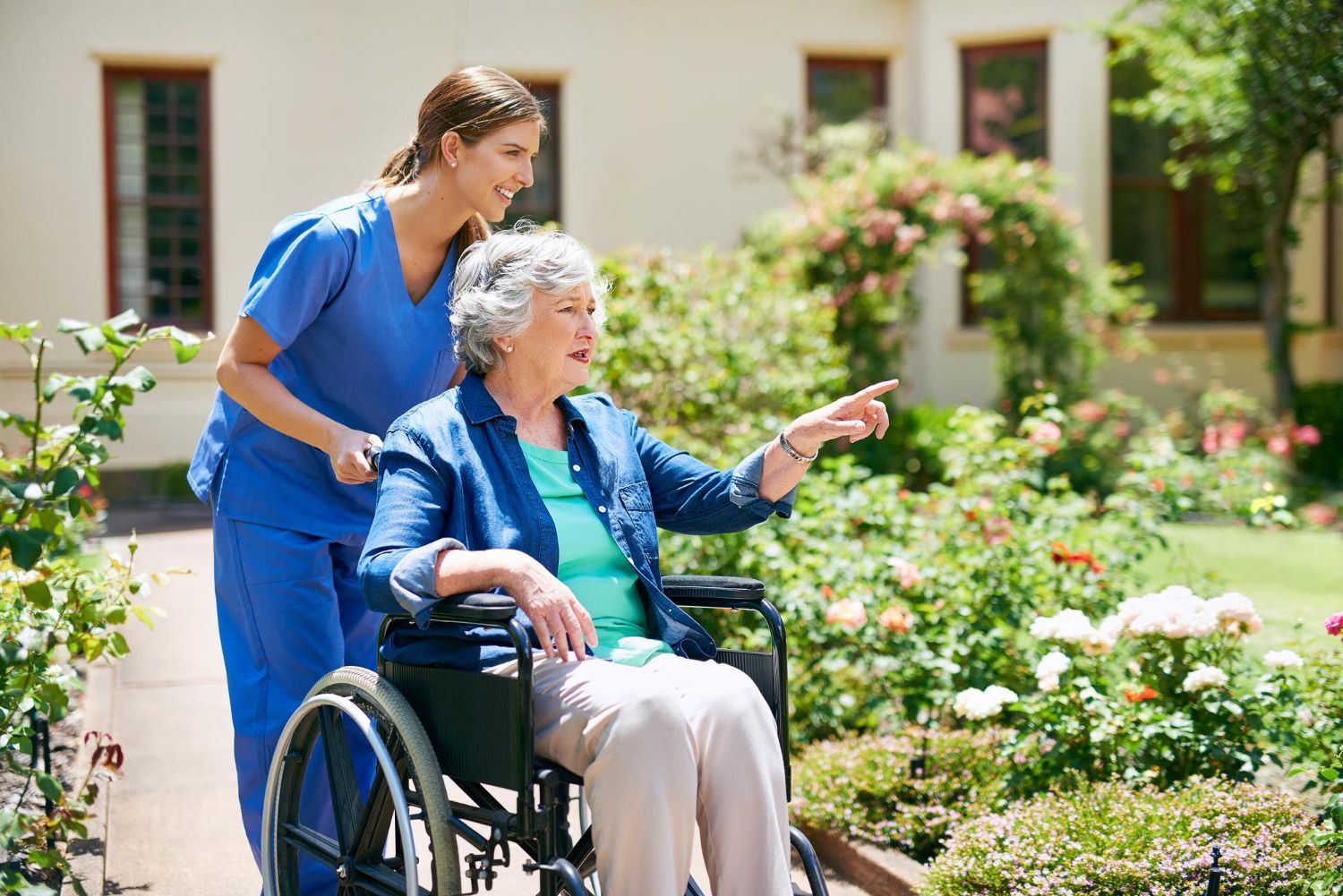
Some of the most positive outcomes happen when families partner with trained providers who understand both the science and the local context. In Elgin, routines need to account for Illinois weather, seasonal changes, and community resources. For example, structured walks or garden activities can be easily tailored to indoor spaces when winter arrives.
Effective care blends current clinical recommendations with personal touch. This may include:
● Prioritizing consistent routines: Predictable schedules support memory and comfort.
● Encouraging safe socialization: Regular companionship reduces anxiety and agitation.
● Adapting activities: Crafting, puzzles, and music therapy are chosen based on what calms or motivates the individual.
Frequently Asked Questions
Will Alzheimer’s care restrict my loved one’s independence?
Good care respects each person’s abilities and preferences as much as possible. It should support—not replace—your loved one’s involvement in their own life.
Are activities to “train memory” always recommended?
Research shows overstimulation can be stressful. Gentle reminders, routines, and familiar activities are often more effective for well-being.
Can families still be involved in care decisions?
Yes. At A Meaningful Care, we actively seek family input, especially on routines and activities.
Taking the Guesswork Out of Alzheimer’s Care
Alzheimer’s is complex, but clear understanding replaces fear with confidence. The best care isn’t rigid or impersonal—it’s thoughtful, evidence-based, and always shaped by the person behind the diagnosis. In Elgin, families have access to skilled teams like A Meaningful Care, who know how to blend clinical guidance with a compassionate, community-oriented approach. By letting go of myths and leaning into what really works, your family can help your loved one feel safe, valued, and heard every step of the way.
Share This Blog